Smart Lighting
Vacation Lighting Routines That Look Lived-In
If you buy through links on this page we may earn a commission at no extra cost to you.
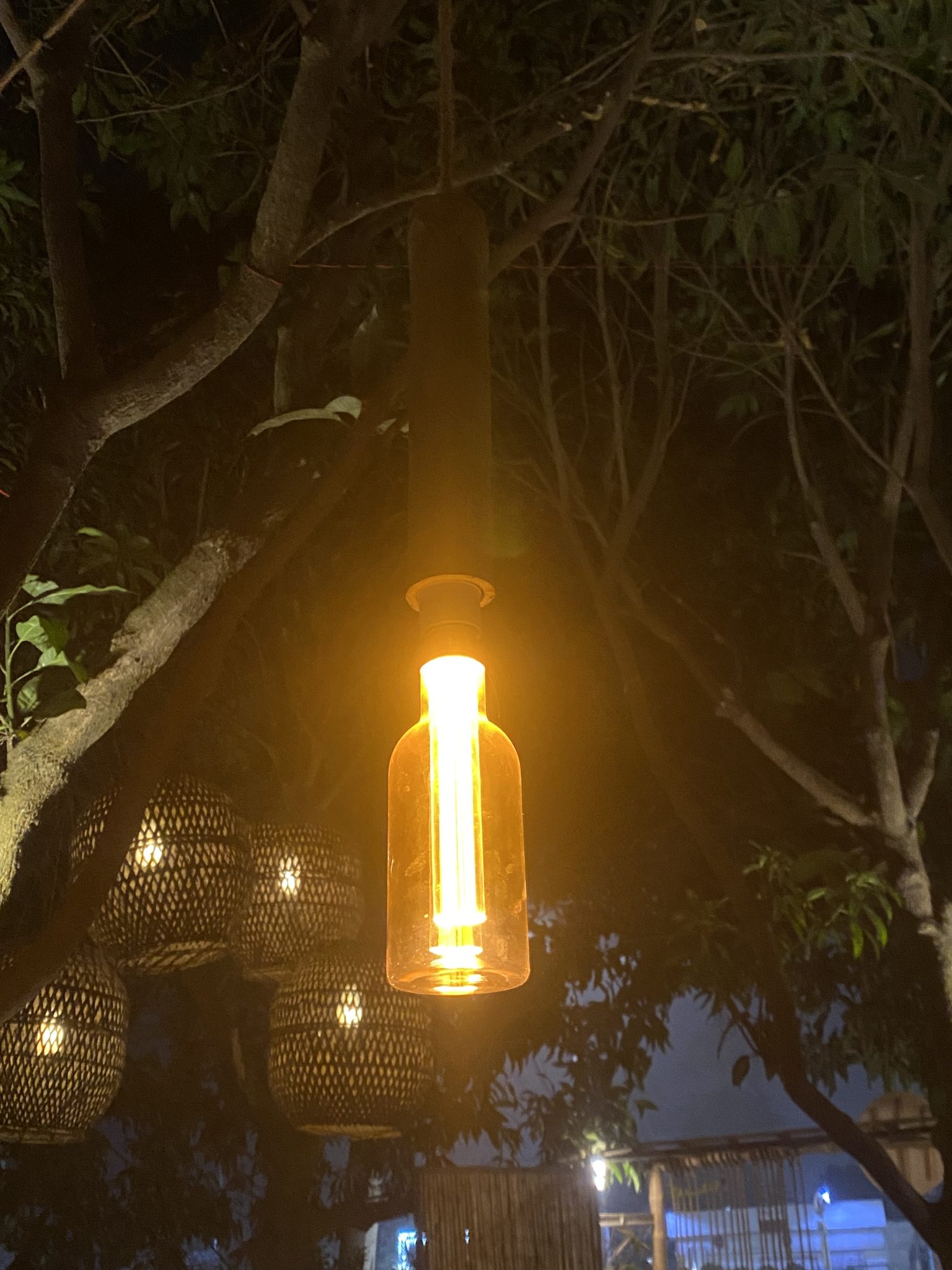
A light that clicks on at exactly 7:00 p.m. every evening does not say someone is home. It says a timer is plugged in. Real households drift — dinner runs late on Tuesday, everyone camps in front of the TV on Friday, the bathroom light flicks on at odd hours. A vacation lighting routine needs that same human raggedness, and smart bulbs can produce it if you set things up deliberately before you leave.
What actually makes a routine look real
Two ingredients do most of the work: variation and layering. If your app offers a vacation mode or a randomize option, enable it and widen the window to at least 20 or 30 minutes, so tonight’s lamp comes on at 8:40 and tomorrow’s at 7:55. No built-in randomness? Create three or four schedules per room yourself, on different days at different times. It takes ten extra minutes and it is the difference between lived-in and scripted.
Layering means rooms should not switch in unison. The living room lamp comes on at dusk, the hallway follows twenty minutes later, the bedroom goes off around your normal bedtime. Everything snapping on at once is a machine’s signature. And keep every bulb warm white: a porch light cycling through rainbow colors announces “nobody home, party mode engaged by an app” to anyone who glances over.
Match the fixtures to your real habits too. If your household never turns on the dining room light on weeknights, do not start while you are away — a burglar casing the street for a few evenings will notice the house suddenly using rooms it normally ignores. The routine should look like your absence, not like a hypothetical household.

A setup you can build in one evening
Pick two or three fixtures visible from outside — a living room lamp behind thin curtains, a porch light, maybe a bedroom lamp glimpsed through an upper window. Assign each one a job:
- The dusk lamp. Schedule it to a sunset trigger rather than a clock time, if your app supports it. Sunsets shift during long trips, and sunset-based schedules adjust themselves.
- The late lamp. On until roughly 11 p.m., with randomized start times, mimicking a household that stays up.
- The porch. On from dusk to a fixed late hour. Porch lights on at noon fool nobody.
Set every schedule to fade in rather than snap on if the app allows it — a gentle ramp reads as a person walking into a room and switching on a lamp, and the same fade logic that works for bedtime routines works here too. Then create one manual scene called “Back from trip” so you can kill the whole illusion in a single tap when you get home.
Two additions beyond lights make the routine more convincing. A smart plug running a fan or a radio in an upstairs room, on the same varied schedule, gives the house an audible pulse for anyone close enough to hear — and plugs work on any dumb appliance, no bulbs required. And if you normally park a car in the driveway, nothing you do with lighting will matter as much as that empty rectangle; ask a neighbor to occasionally park there, and let the lights handle everything else.
The morning half people skip
Most vacation routines only cover the evening, and that is a tell in itself. Real houses are active in the morning too. Schedule a bathroom or kitchen light for 15 to 30 minutes around your usual wake-up time, randomized like the rest, then off by mid-morning. If you normally watch TV before work, a bias light behind the television on the same schedule adds another plausible data point. The goal is a house with a pulse from breakfast through bedtime, not a stage set that only performs after dark.
One more anchor worth copying from your real week: the weekend. Saturday mornings in most homes start later and dimmer than weekdays, and a routine that respects that — a later wake-up light, a slower path to full brightness — buys another layer of believability for free.
Test the whole thing one night before you leave. Stand in the street at 10 p.m. and again at 6 a.m., and watch your own house run its routine. Lights that flick on in perfect sequence, or a window that glows at times you would never normally be awake, will be obvious to you — which means they are obvious to everyone.
Mistakes that give an empty house away
A short list of things we have all seen from the street: a light burning at 2 a.m. for a week straight; a lamp visible through a window with the curtains left open on an empty room; every bulb on the same second-by-second schedule; a hallway light running 24/7 “just in case.” Add the forgotten electronics: a TV standby LED blinking in a dark living room reads as absence from outside, and a smart display left on its idle clock screen does the same. Before you leave, walk to the sidewalk at night and look at your house as a stranger would. Whatever reads as mechanical from there, fix it — and our other smart lighting guides cover the scheduling features most apps hide in settings.
Frequently asked
- Do vacation lighting routines actually deter burglars?
- They help against opportunists, who pick houses that look unattended, but no lighting trick guarantees anything. Timed lights work best as one layer alongside held mail, a parked car in the driveway and a neighbor who notices strangers.
- Should I just leave one light on all week instead?
- That is the classic giveaway. A hallway bulb burning at 3 a.m. for seven straight nights, or a lamp on at midday, tells anyone paying attention that nobody is home to turn it off.
- Can I do this without smart bulbs?
- Yes. Mechanical plug timers get you on-off schedules for under ten dollars per lamp. What they cannot do is vary the timing day to day or tie lights to sunset, which is exactly what separates a convincing routine from a mechanical one.