Ambient Light
Salt Lamps: What They Do and Don't Do
If you buy through links on this page we may earn a commission at no extra cost to you.
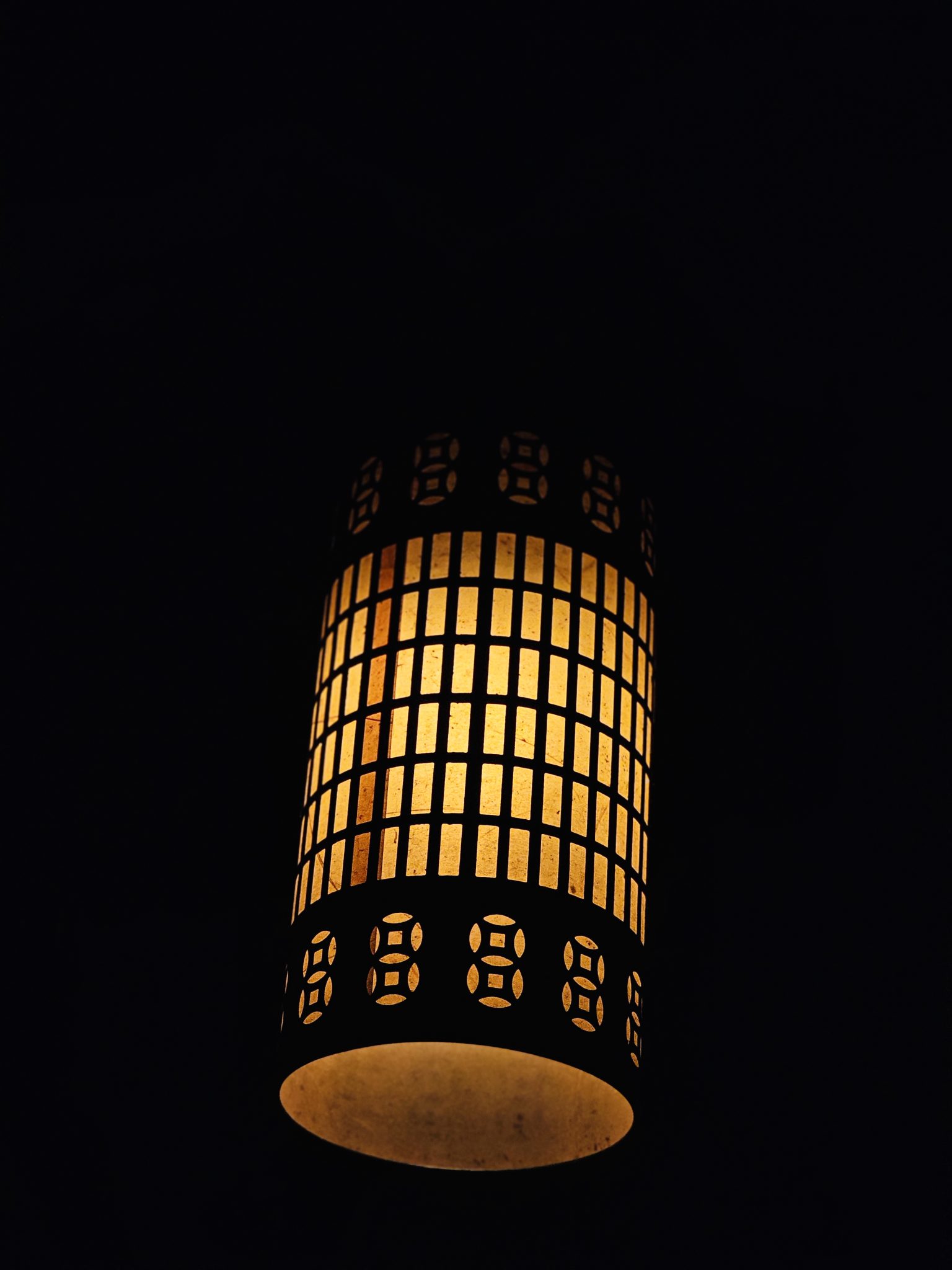
Let’s settle the headline claim first: a salt lamp does not clean your air, and there is no reliable evidence it improves sleep, mood, allergies or anything else through ions or “himalayan energy.” What it does do is cast one of the warmest, dimmest glows you can put on a nightstand. Buy it for the light and you will be delighted. Buy it as a wellness device and you have been marketed to.
What a salt lamp actually is
The object is simple: a chunk of halite — rock salt, mostly mined in Pakistan — with a hole drilled up the middle and a plain incandescent-style bulb inside. The bulb lights the salt from within, and the mineral’s impurities give the glow its range of apricot-to-rust color. The dimmer switch on the cord controls the bulb and nothing else.
Sizes range from desk-paperweight units of three pounds to chunks the size of a microwave at forty or more. The glow deepens with thickness, which is why the bigger blocks photograph so well — more salt between your eye and the bulb means more absorption and that saturated rust color. Some cheaper units swap the bulb for an LED puck on top; those never sweat, run cool, and last longer on batteries, but they light the salt from outside, and the flat even glow is instantly recognizable and less charming to most eyes.
That is the entire mechanism. No filter, no ionizer, no electronics beyond a bulb and a cord. Knowing this helps in two ways: it explains why the health claims fall apart on inspection, and it tells you exactly what to check when buying — bulb quality, cord safety and salt thickness, not features.
The health claims, checked honestly
The pitch usually goes: salt is hygroscopic, so the lamp attracts water vapor, and that vapor carries airborne particles and allergens, so the lamp “purifies” the air while releasing beneficial negative ions. It sounds plausible and mostly collapses on contact with reality.
The hygroscopic part is true — salty surfaces do pull moisture — but the amount of air a nightstand-sized block can touch is trivial. Whatever dust lands on the surface stays on the surface, which is wiping, not purifying. The negative-ion claim fares worse: measurements on actual lamps find no meaningful ion production, and a warm bulb in salt produces nothing of the kind. No peer-reviewed study supports health benefits, and the “clinical” language in listings traces back to no clinic. This page will not pretend otherwise, because a purchase should not rest on a claim the seller cannot point to.
The color deserves its own debunk while we are here. Marketing ties the deep orange hue to “rich mineral content” and purity grade, but the color comes from trace iron and the crystal’s structure, and there is no grading standard any laboratory certifies. Two blocks of identical color can come from different mines a thousand miles apart. Buy the color you like, not the grade you are told it represents.
What it genuinely does well
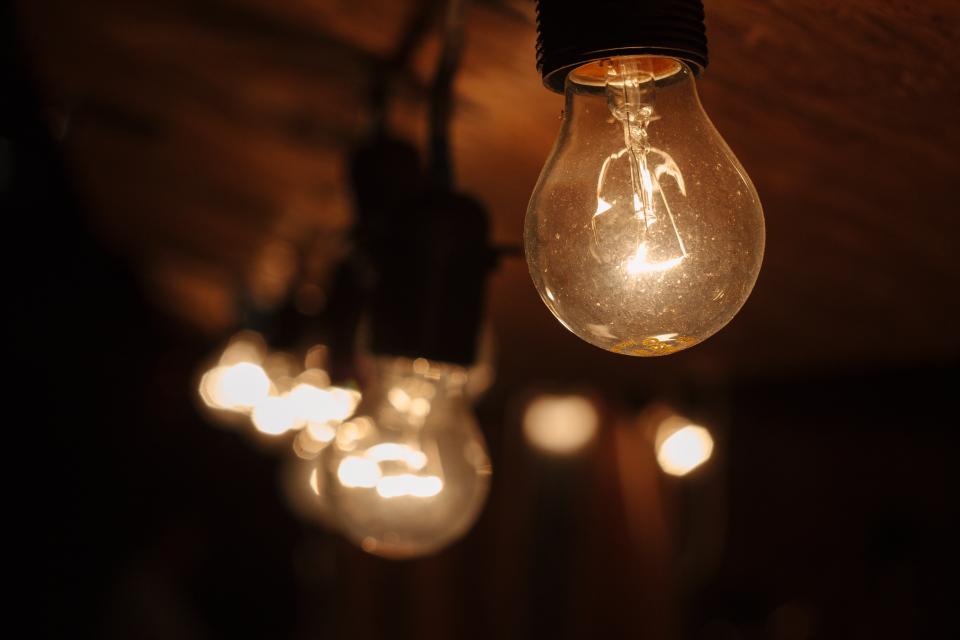
Judged as a lamp, the salt lamp is oddly hard to beat. The glow sits around 1800 to 2200K — warmer than nearly any regular bulb — and a typical unit runs 10 to 40 watts, so the output lands in the dim range that suits the last hour of the day. That combination of extreme warmth and low brightness is precisely what sleep-focused lighting advice recommends, which is why so many people swear by them. The lamp works; the mechanism is just visible light, not magic.
It also looks good switched off, which counts for more than lamp reviews admit. A chunk of translucent stone on a nightstand is furniture as much as lighting. And the light is gentle on dark-adapted eyes in a way few fixtures manage: point a regular lamp at the ceiling at midnight and you will squint, while a salt lamp on its lowest setting can sit at arm’s length without a flinch. For the same effect from other sources, flameless candles and amber night lights get close, though neither matches the depth of glow a thick block produces.
The honest buying checklist
Shop for the glow, not the claims. Weight matters because thin blocks glow unevenly — anything over six pounds or so lights evenly. Insist on a dimmer, since the whole appeal is adjustable warmth. Check that the cord and bulb assembly carry a proper safety listing, because cheap cords inside a warm salt cavity are the one genuine hazard in this category. Expect surface sweating in humid climates; it is normal, not a defect. And keep it away from pets, as noted above.
A few practical extras: the bulb will need replacing eventually, so pick a unit with a standard-base bulb you can find anywhere rather than a proprietary capsule. Place it on a coaster or tray, since a sweating block can mark wood finishes. And if a humid summer turns yours into a puddle repeatedly, an LED-top unit is the dry-climate workaround, at the cost of some glow depth. If you want that low warm effect without the upkeep, our guides to amber night lights and flameless candle alternatives cover the competitors.
Frequently asked
- Do salt lamps really release negative ions?
- No measurable amount. The claim circulates widely and has never held up under testing — a small lamp does not meaningfully change the ion balance of a room. Any air-quality effect is, at best, a dust grain landing on a salty surface.
- Why is my salt lamp sweating?
- Salt is hygroscopic, meaning it pulls moisture from humid air, and the surface turns damp in muggy weather. Keep the lamp switched on so the bulb's warmth dries the surface, and store it sealed or wrapped when you will not use it for weeks.
- Are salt lamps safe around pets?
- Keep them out of reach. Cats and dogs that lick a salt lamp can take in far more sodium than their kidneys handle, and salt toxicity is a real veterinary emergency. The lamp is fine; the licking is not.